ON THE VOICE, VULNERABILITY & THE ART OF LISTENING WITH ARNO SACCO
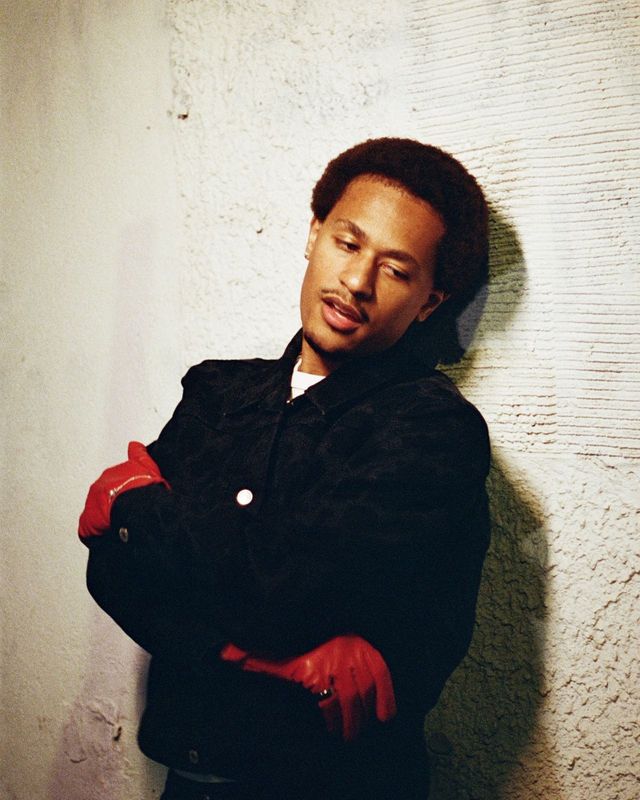
On vulnerability, the intimacy of sharing through music, and the connection between an artist and the listener.
At Soul Letters, we believe music can be more than a performance. It’s an opportunity to slow down, listen and connect with the person behind the music. By bringing artists and listeners closer together, we want to create a space where voices, stories and emotions can be shared without the usual distance between a stage and an audience.
For this edition of On the Voice & the Art of Listening, we spoke with Arno Sacco about the personal nature of singing, finding strength in vulnerability and the beauty of letting go of control. His reflections remind us that listening is not only about hearing music, but also about recognising something of ourselves in someone else’s story.
How important is it to share something personal through your voice, rather than simply performing a song?
I think it’s everything. I’ve always felt that my voice is one of the most personal things I can share with someone. It’s almost an extension of everything I sometimes struggle to put into words. When I sing, I’m allowing people into places within myself that I don’t always know how to access in everyday life.
I don’t just want people to appreciate how a song sounds. I want them to feel where it comes from. There’s something incredibly intimate about turning something so personal into something someone else can recognise themselves in. That’s what makes music so special to me.
We are used to experiencing live music within a familiar structure: a performer, a stage and an audience. Soul Letters wants to challenge that relationship. What do you think happens when we allow ourselves to step outside those familiar expectations?
I think we create room for something more human to happen. The usual distance between an artist and an audience can sometimes make things feel like a performance rather than an exchange.
When you take those expectations away, you allow people to meet each other on a different level. It becomes less about watching someone perform and more about sharing a moment together. I think some of the most beautiful connections happen when we allow ourselves to step outside of what we know.
If your music were a letter addressed to someone, or perhaps to yourself, what would you want it to say?
I think it would be a letter to anyone who’s ever loved, lost, questioned themselves or struggled to make sense of what they’re feeling.
I’d want it to say that whatever you’re going through, you’re not alone in it. That there’s beauty in the things we don’t always understand, and that even the experiences that break us can teach us something about ourselves.
A lot of my music comes from very personal experiences, but ultimately, I hope people can find their own stories in it. In a way, the letter becomes theirs too.
In a world where we often feel the need to present our strongest selves, how important is it to create space for vulnerability through music?
I think vulnerability is one of the strongest things you can offer someone. We’re constantly trying to show the best versions of ourselves, but there’s something beautiful about allowing people to see the parts of you that aren’t so polished.
A lot of my music comes from moments where I didn’t have the answers myself. Sometimes you have to sit with certain feelings before you can understand them.
I think there’s comfort in realising that we’re not alone in those feelings, and that perhaps being vulnerable is what brings us closer to one another.
We spend so much time consuming music, but perhaps not always enough time truly listening. What does active listening mean to you?
To me, active listening is about giving something your undivided attention. Not just hearing the melody or appreciating the production, but really sitting with the words, the silences and the emotions behind them.
Sometimes it’s about listening to what isn’t being said as much as what is. I love that a song can mean something completely different depending on where you are in life.
You can return to the same song years later and discover that it has a whole new meaning. In a way, music grows with you.
How comfortable are you with leaving things open, taking risks or allowing a performance to move in a direction you hadn’t planned?
I think I’m learning to become more comfortable with it. I’m quite particular about my music and can be a bit of a perfectionist, but I’ve also realised that not everything beautiful needs to be planned.
Sometimes the most meaningful moments happen when you let go of control and allow yourself to be present.
I think there’s something special about leaving room for the unexpected, because those are often the moments that can’t be recreated. There’s beauty in not knowing exactly where something will take you.
When the music stops and the evening comes to an end, what would you hope people carry home with them? Is there a particular feeling, thought or connection you’d like to leave behind?
I’d hope people leave feeling a little more connected, both to themselves and to the people around them.
Maybe they heard something that reminded them of someone, brought back a memory or made them feel understood in a way they hadn’t expected.
I don’t necessarily need people to remember every note I sang. I’d rather they remember how they felt while listening.
If someone leaves with a feeling they didn’t walk in with, or perhaps finds the words to something they’ve been carrying for a long time, then I think we’ve shared something meaningful.