WATER IN BLACK MUSIC: REFLECTIONS FROM A LISTENING SESSION AT MULTATU LISTENING BAR, THE HAGUE, 8 OCTOBER 2026
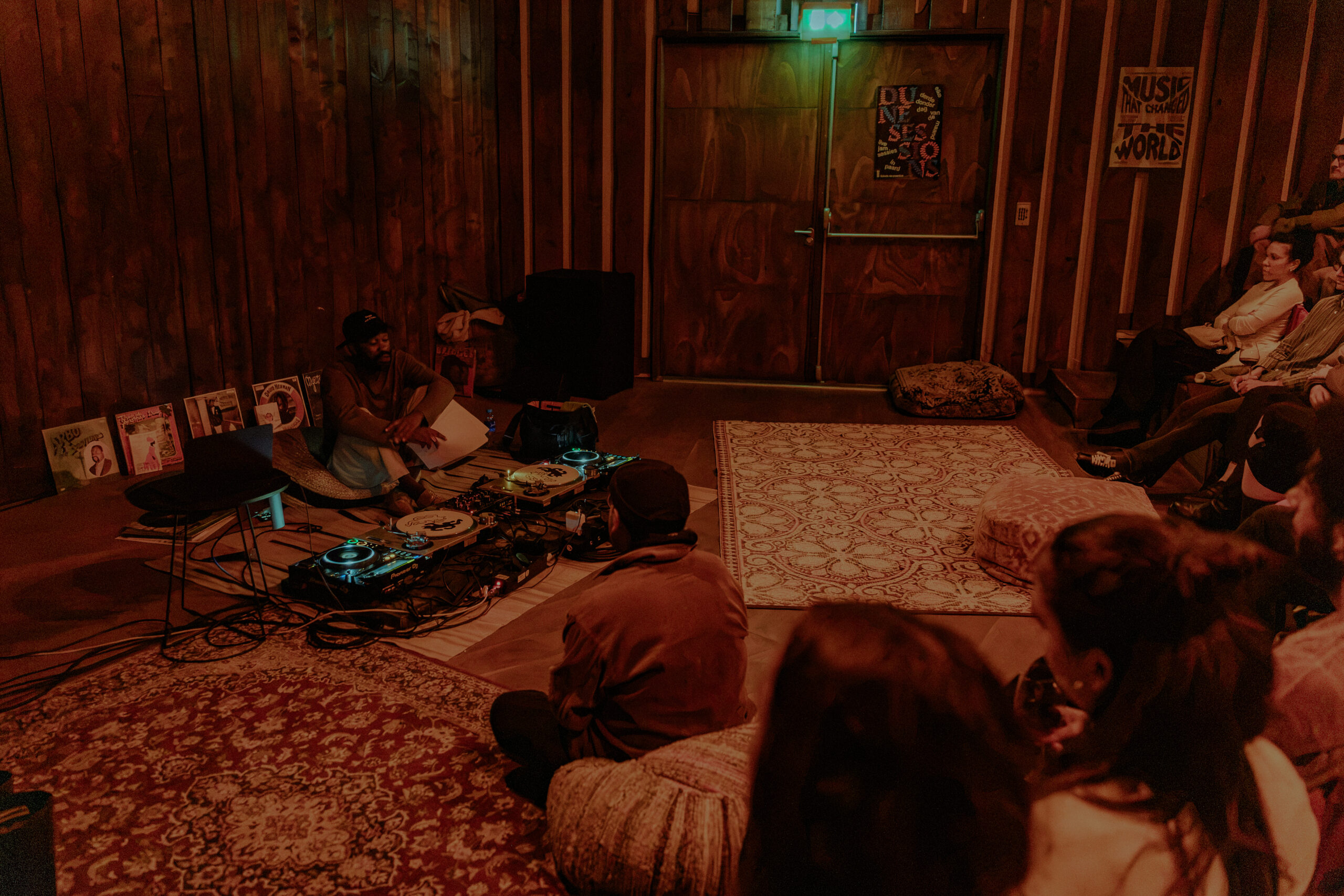
Reflections from a listening session at Mulatu Listening Bar, The Hague, 8 October 2026. By DTM Funk
What role does water play in Black music, history and identity?
This was the broad question I started with when I began researching the role of water in Black music, history and identity a few months ago. Over the coming weeks and months, I hope to narrow this down and find a more specific direction for my research.
I brought records, poems and some of my own stories to a listening session at Mulatu Listening Bar. We took the time to listen together and share thoughts. Preparing for that session pushed me to read more, dig deeper into my record collection and think about why this subject interests me so much.
FINDING MY OWN CONNECTION
Part of this research connects to my own search for roots. In 2011, I travelled through Rwanda and East Africa for a few months. That journey changed how I understood myself as a Black person. Questions about where we come from, what we carry with us and where we feel at home have stayed with me ever since.
BUT IT STARTED WITH A MEME
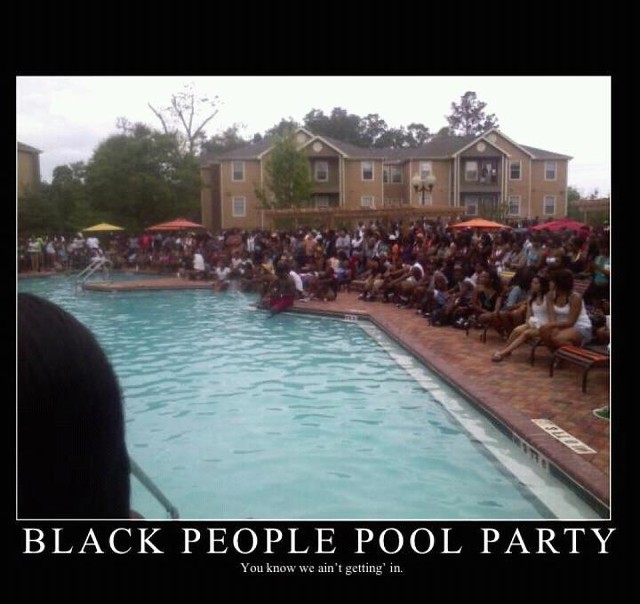
It all started with a meme about Black pool parties.
I have an Instagram group chat with two Black friends called “De Zwette”, a local dialect term for “Black” used around Antwerp that can carry a derogatory tone. Between us, the name takes on a different meaning. We mainly share memes about Black people, partly to laugh and partly because we find some of the stereotypes so absurd.
One day, someone shared a meme about Black people and swimming pools. We laughed, but it also got me thinking. Where does this idea that Black people don’t swim actually come from? What’s behind the joke?
Around the same time, I came across Porsha Olayiwola’s poem Water. That combination stayed with me, and I started looking into it a bit more.
I began reading, going through my records and paying more attention to how water appears in Black music and poetry. Once I started noticing it, I kept finding more. Drexciya’s underwater world. The rivers in Langston Hughes’ poetry. Herbie Hancock’s “Maiden Voyage”, “Rain Dance” and “Dolphin Dance”. Fela Kuti’s “Water No Get Enemy”.
For this first part, I chose tracks that have really intrigued me over the past few years. Music I keep coming back to, sometimes because of the feeling it gives me, sometimes because I want to understand more about the story behind it. This research gave me a reason to spend more time with those records and hear them in a different way.
The selection moves between electronic music, jazz, funk and poetry. Through Drexciya, I explore how water can become the setting for an imagined world. Langston Hughes brings me towards rivers, memory and roots. Herbie Hancock opens up another way of listening through movement and imagination, while Fela brings us back to water as something we all need.
IMAGINED FUTURES
Drexciya also brings me to the idea of imagined futures, and to Afrofuturism: bringing Black history and experience together with science fiction to imagine other ways of living. Their underwater world grows from the violence of the transatlantic slave trade, but imagines survival and a civilisation of its own. That’s what interests me here. How can music help us carry our history while imagining a future where we can live freely?
That also brought me to The Memory Librarian by Janelle Monáe and her collaborators, which is on my reading list. The book expands the world of her album Dirty Computer, where people’s memories and identities can be controlled or erased. I haven’t read it yet, but I’m curious about that connection. If our memories are part of who we are, what happens when someone else decides which ones we’re allowed to keep? It brings me back to Drexciya, and the freedom to tell our own stories and imagine our own futures.
The Other People Place and Octave One also bring questions of identity and freedom into the listening. These are connections I’m exploring as a listener and DJ. Some come from the works themselves; others come from what happens when I put them next to each other.
There’s a lot to explore here. Every record or text seems to lead to another story, and I’m now trying to find one question I want to spend more time with. I keep coming back to this idea of home and belonging. How can water connect us to our roots? How can it separate us from home? And how do artists use it to imagine a place of their own?
I don’t have a fixed direction yet. That’s what I’m figuring out now, through listening, reading and conversations.
This blog is a place to share that process: the music and texts I find, what I’m learning, and the questions that come up along the way.
EXPLORE THE MUSIC, POETRY AND FURTHER READING BELOW
Music
- Drexciya — “Powers of the Deep”
- Drexciya — “700 Million Light Years from Earth”
- The Other People Place — “Let Me Be Me”
- Octave One — “Black Water”
- Herbie Hancock — “Maiden Voyage”
- Herbie Hancock — “Rain Dance”
- Herbie Hancock — “Dolphin Dance”
- Fela Kuti — “Water No Get Enemy”
- Gil Scott-Heron & Brian Jackson — “Rivers of My Fathers”
- Parliament — “Aqua Boogie”
Poetry
- Porsha Olayiwola — Water
- Langston Hughes — The Negro Speaks of Rivers
- Tooba Hussain — Dear Palestine
- Safia Elhillo — To Make Use of Water
- Robert Hayden — Middle Passage — a further reference beyond the listening session
Texts & Further Reading
- DW McKinney — “In the Water’s Grip”
- Drexciya — sleeve notes of The Quest, reproduced in an article on Drexciya’s legacy
- Herbie Hancock — Possibilities
- Janelle Monáe and collaborators — The Memory Librarian — a book I want to explore next